
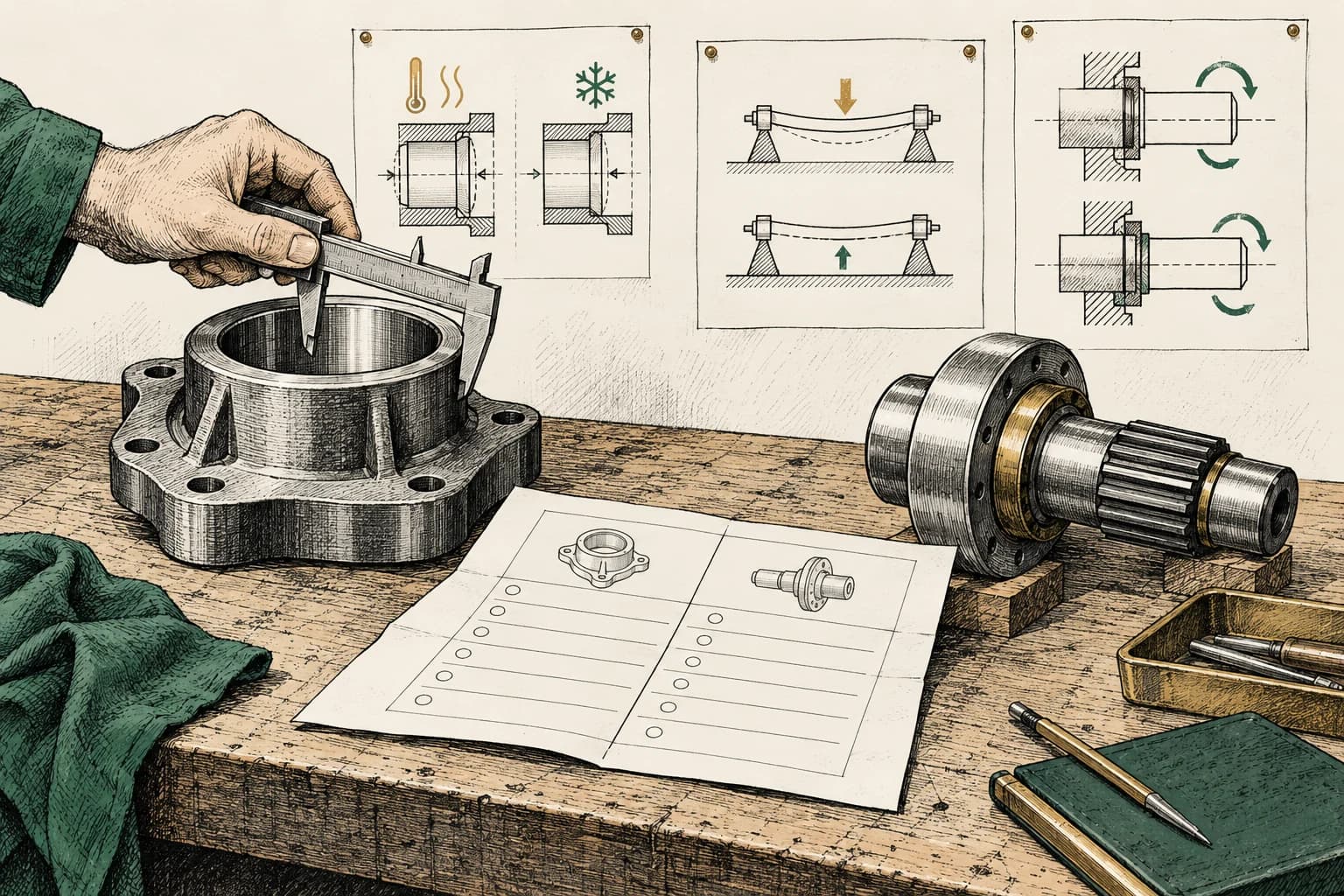
An equipment comparison should explain which option fits a stated application, using reviewed evidence rather than a universal winner. Define the buyer's task first, then compare equivalent models or configurations under the same operating conditions. Preserve units, revisions, source documents and assumptions.
Include the criteria that matter for that purchase: performance, configuration, installation, support and cost where the records allow. Mark missing or non-comparable information clearly. Separate a source fact from your recommendation and disclose relevant commercial relationships.
Explain the trade-off in prose, make the matrix usable on a phone and offer a route to technical confirmation. Keep facts current. A marketing comparison supports selection; it does not replace an engineering approval.
Define the comparison before collecting numbers
Start with the application and decision. Is the buyer replacing a component, choosing a product family or evaluating a complete machine? The appropriate criteria will differ.
State the scope in the introduction. A distributor comparison, a manufacturer comparison and a model comparison are not interchangeable. A business's broad reputation does not establish the suitability of a specific model.
For an unfamiliar application, ask a technical reviewer which criteria matter. Do not choose the columns solely because your product performs well on them.
Compare values under equivalent conditions
Check units, revisions, configurations and test conditions. Nominal capacity, maximum capacity and output under a stated operating condition can tell different stories.
Retain the original value and its source. If you convert units, preserve the original and have the conversion checked. If you calculate a derived value, show the inputs and assumptions.
When the conditions are not comparable, say that in the table. “Not established on an equivalent basis” is more useful than a neat number that hides the difference.
There is no universal winner here. Actual model values must come from reviewed source documents.
Build an evidence-led matrix
The table below is a constructed editorial structure. It contains no actual model values and is not a performed comparison study.
| Criterion | What to record for each option | Interpretation to review |
|---|---|---|
| Application | Stated intended use and limits | Does it fit the buyer's material and task? |
| Operating performance | Value, units and conditions | Are the conditions equivalent? |
| Configuration | Standard components and relevant options | Is the quoted variant the one compared? |
| Installation | Verified utilities and commissioning needs | What must the buyer supply? |
| Service | Actual coverage, spares and support terms | Can the supplier support this location? |
| Cost | Dated quote and included items | Are exclusions and lifecycle assumptions visible? |
Gather the records before deciding the conclusion. A missing field should remain unknown, not turn into an assumed weakness of the competing option.
Separate facts from commercial interpretation
A manufacturer specification is a source for what that manufacturer states. Independent measurements, certifications and buyer reports have their own scope. Label the source type where the distinction matters.
Your recommendation is another layer. Explain why a documented difference matters for the stated application. If service coverage is more important than a headline capacity number for that buyer, say why.
Disclose commercial relationships that affect the comparison. Selling an option does not make the information unusable, but readers should understand your role.
Show the limits of the recommendation
An appropriate conclusion can be conditional: one option suits a known requirement, while another needs specialist confirmation or offers a relevant trade-off.
Avoid saying a competitor lacks a capability just because you did not find a page describing it. “We could not verify this from the sources reviewed” records a research limit. “They cannot do it” is a different claim.
Where an application requires engineering judgment, give the buyer a clear path to obtain it. Do not make a marketing comparison stand in for a product selection approval.
This is a comparison worksheet. It does not supply unverified equipment values or declare a universal winner.
Keep component evidence within its scope
The SN Machinery case describes comparison and selection material for industrial components, including pneumatic products. It is a practical example of connecting choices to supporting information.
It does not establish that the same comparison criteria apply to a complete packaging line. Larger equipment may involve commissioning, utilities, changeover, training, maintenance and longer commercial evaluation.
Use each example for the principle it demonstrates. Gather separate documentation for the next product class rather than carrying values or outcomes across categories.
Let the buyer inspect the source
Link the relevant document and include its date or revision where available. Give drawings and tables meaningful descriptions. If a source is not publicly shareable, explain what evidence can be reviewed during the sales process without exposing confidential material.
On a phone, make the table scrollable and keep the relationship between row and column headings clear. A comparison that becomes unreadable on a small screen fails at the point where a buyer needs precision.
Use surrounding prose to explain the most important trade-off. Do not require the buyer to interpret a dense grid without guidance.
Maintain the comparison as products change
Assign an owner for specifications, availability, price and support details. Retain the old version when making substantive changes so a later review can identify what the comparison said at the time.
Do not update the date merely to make the page appear fresh. Check the source facts, remove unsupported statements and explain meaningful corrections.
If the evidence cannot support a full named comparison, publish a useful selection framework instead. A modest, verifiable explanation can serve the buyer better than an impressive-looking ranking.
Connect the comparison to the next decision
A known-model buyer should reach the relevant product and quote route. An application-led buyer should be able to provide the information needed for selection. Make it clear which details need confirmation before purchase.
The industrial owner guide explains how comparisons fit into an acquisition plan. Discuss technical comparison content with TCC if you need help assembling and presenting the evidence with a qualified reviewer.
Frequently asked questions
How do we compare equipment fairly?
Compare reviewed specifications under the same application and operating conditions. Preserve compatibility constraints and have a qualified reviewer confirm the conclusions.
Should we name one universal winner?
No. The better option depends on the application, constraints and available evidence. Explain the trade-offs and which details need confirmation.
Where should comparison values come from?
Use current source documents with model and revision details. Missing values need verification rather than estimates added to complete a table.
Sources
This is a proposed comparison framework, not a tested ranking of equipment models. No model-specific specification sheets were supplied; product values and engineering conclusions must come from reviewed documents. Evidence scope and technical-review requirements